
0116 4300 272
51 Henley Road, Leicester, LE3 9RD8.30am to 6.30pm Monday to Friday
RICS Surveys Information Sheet
Homebuyers Survey Terms of Engagement
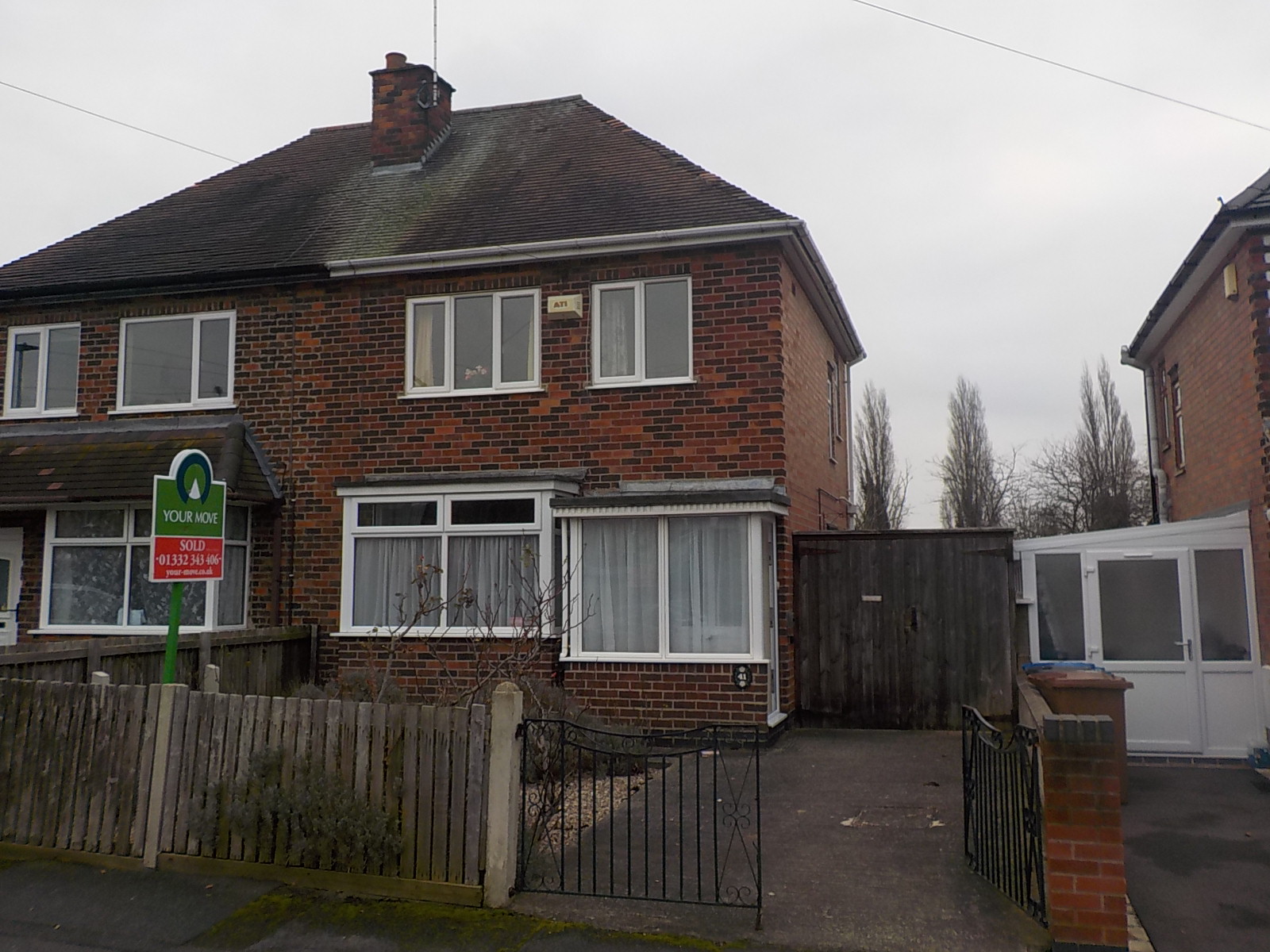
This is a typical Leicester semi-detached property dating from around 1935. Construction comprises solid masonry walls, a two-course engineering brick damp proof course (DPC), a tiled pitched roof, and replacement windows.
A notable feature is the very thin flat roof over the bay window. This type of construction is unlikely to be insulated and is therefore prone to cold bridging and condensation, particularly during winter months.
Brickwork Movement Between Window Openings
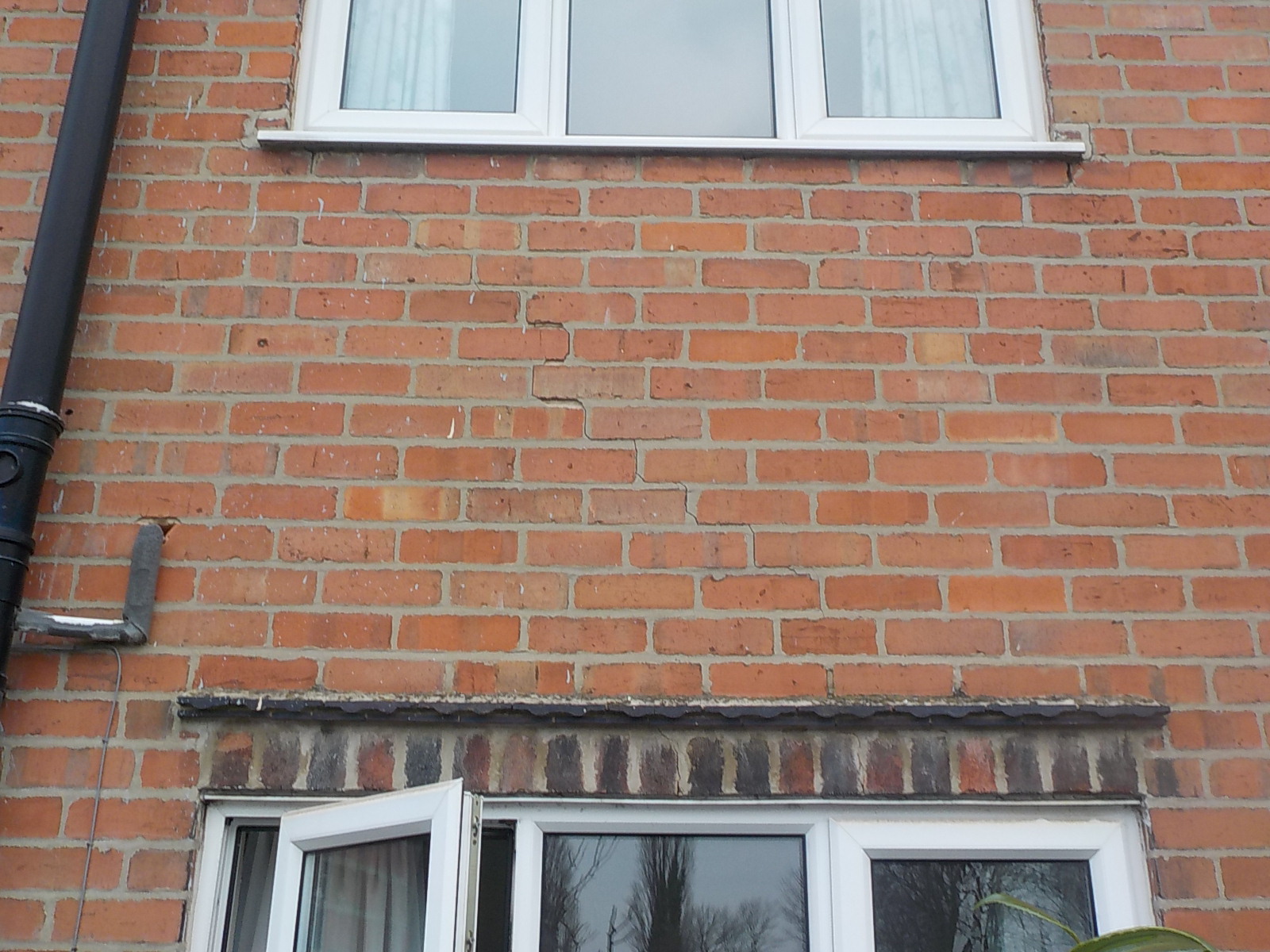
Fracturing of the brickwork was observed between the two window openings. Measurements confirmed both horizontal and vertical movement.
Based on the pattern and location, our surveyors concluded this was most likely caused by thermal movement, with the brickwork failing at its weakest point between the openings. This is a common issue in solid-walled interwar properties and was not considered indicative of structural failure.
Frost-Damaged Brickwork Below the DPC
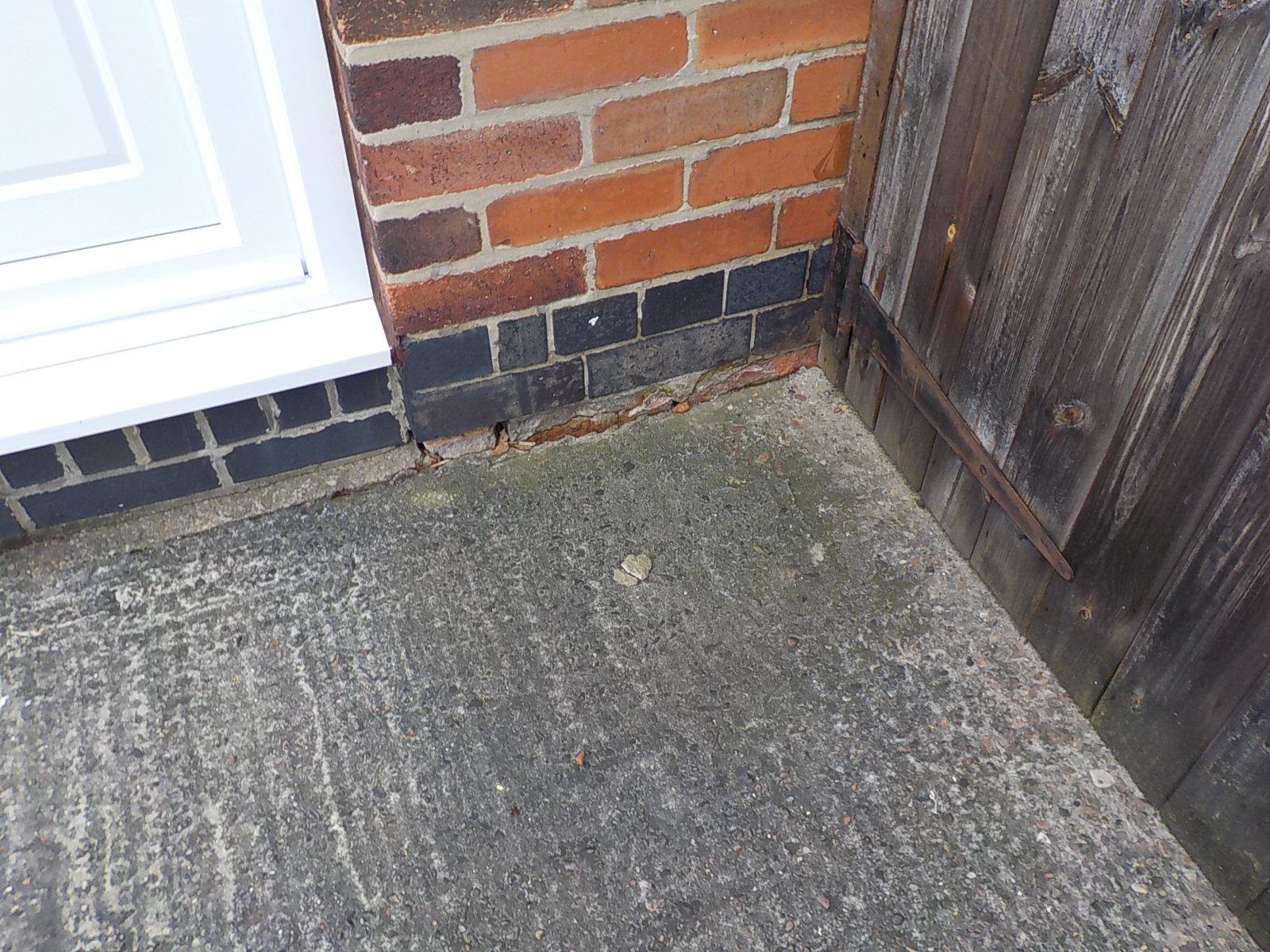
Bricks below the two-course engineering brick damp proof course had lost their faces due to frost action when damp. While not currently significant, these bricks will eventually need to be cut out and replaced to prevent further deterioration.
The engineering bricks forming the DPC remain in good condition and are highly effective damp barriers, as evidenced by their long-term performance in Victorian infrastructure such as viaducts and tunnels.
Blocked Underfloor Ventilation
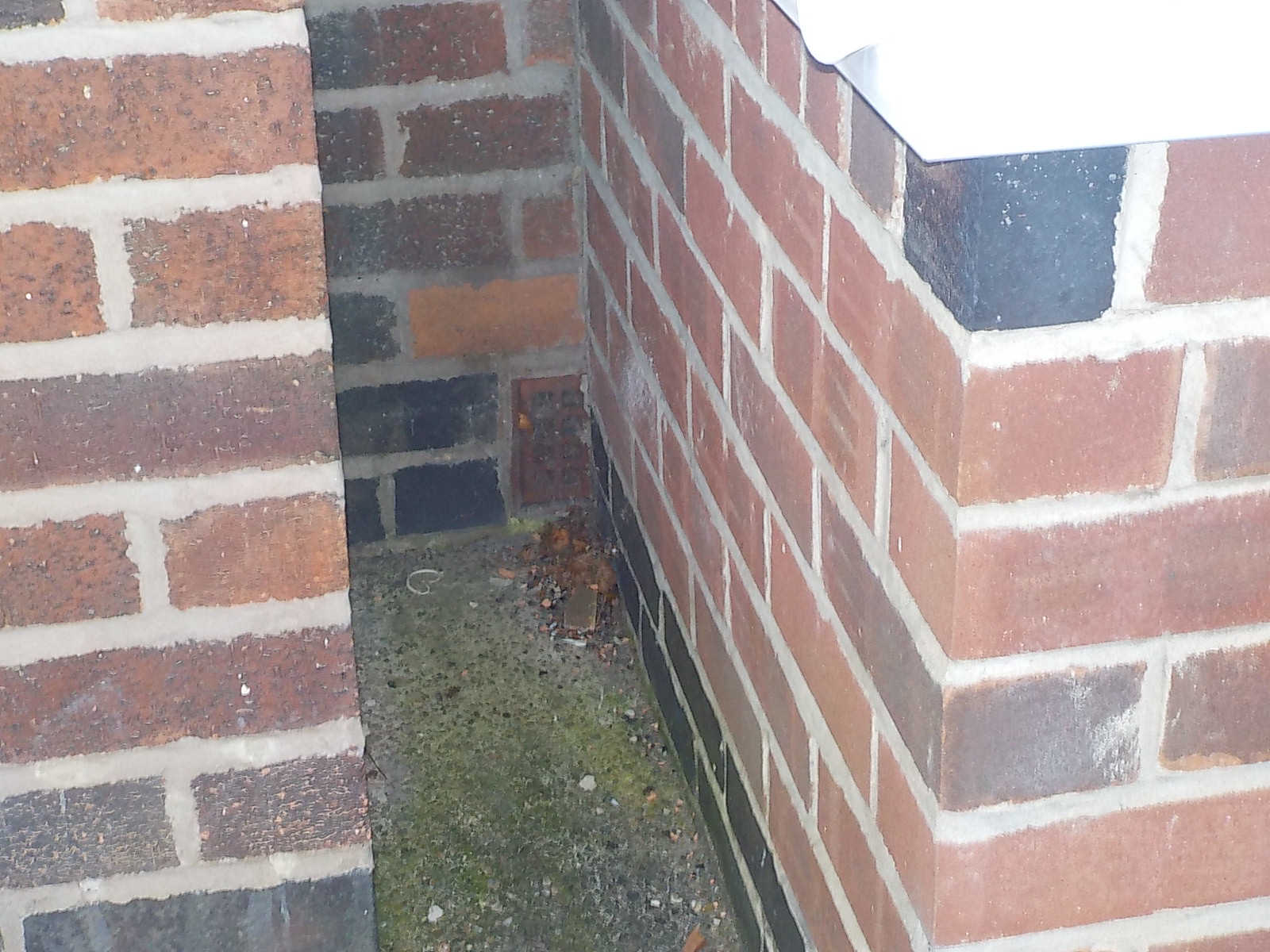
The construction of the porch has blocked an important underfloor ventilation vent. Adequate ventilation beneath suspended timber floors is essential to:
Reduce moisture levels
Discourage timber decay
Prevent wood-boring beetle infestation
Remedial works are recommended to reinstate effective airflow.
Redundant Toilet Ventilation Duct
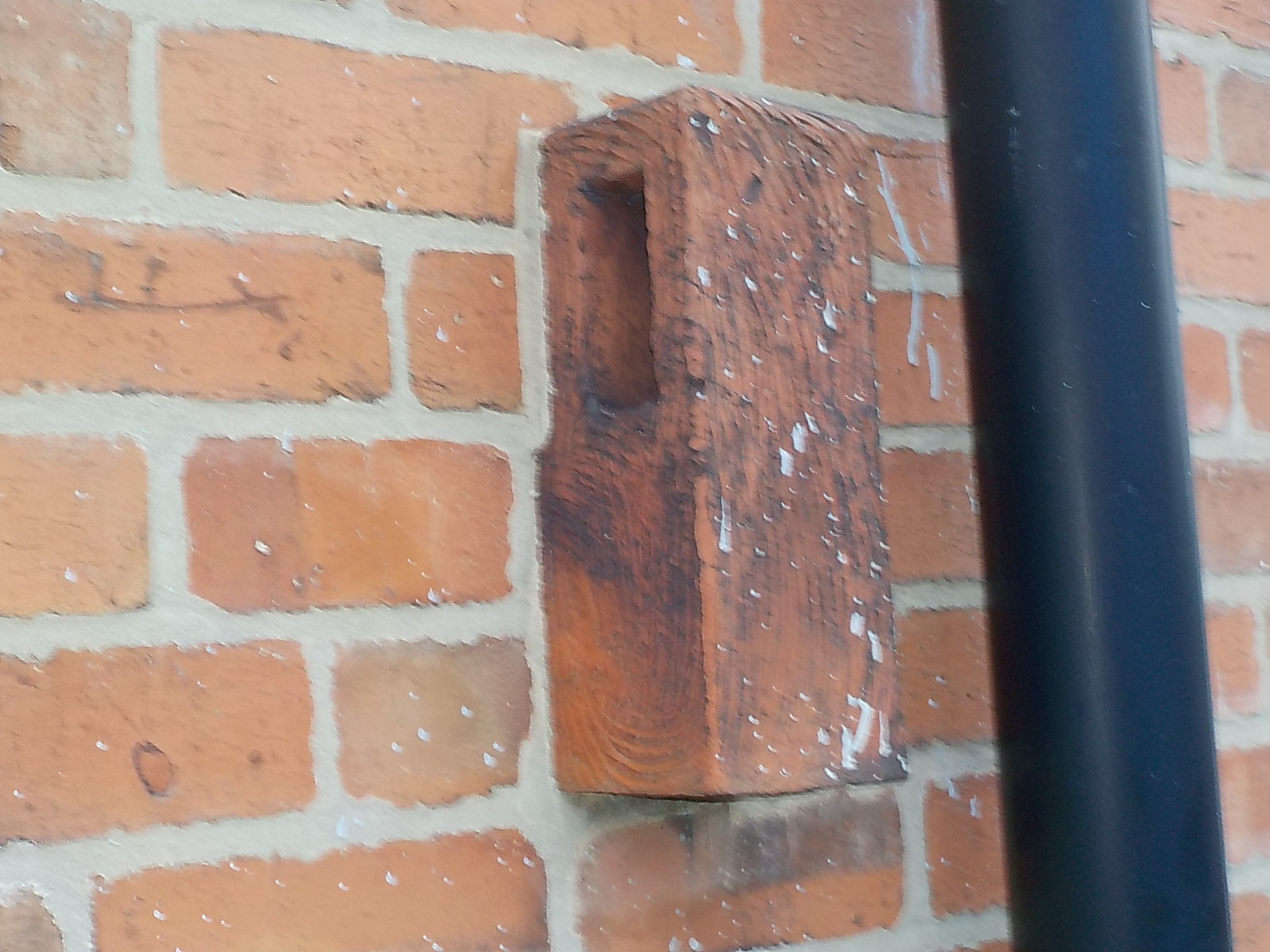
A ventilation duct serving a toilet adjacent to the rear porch was noted externally.
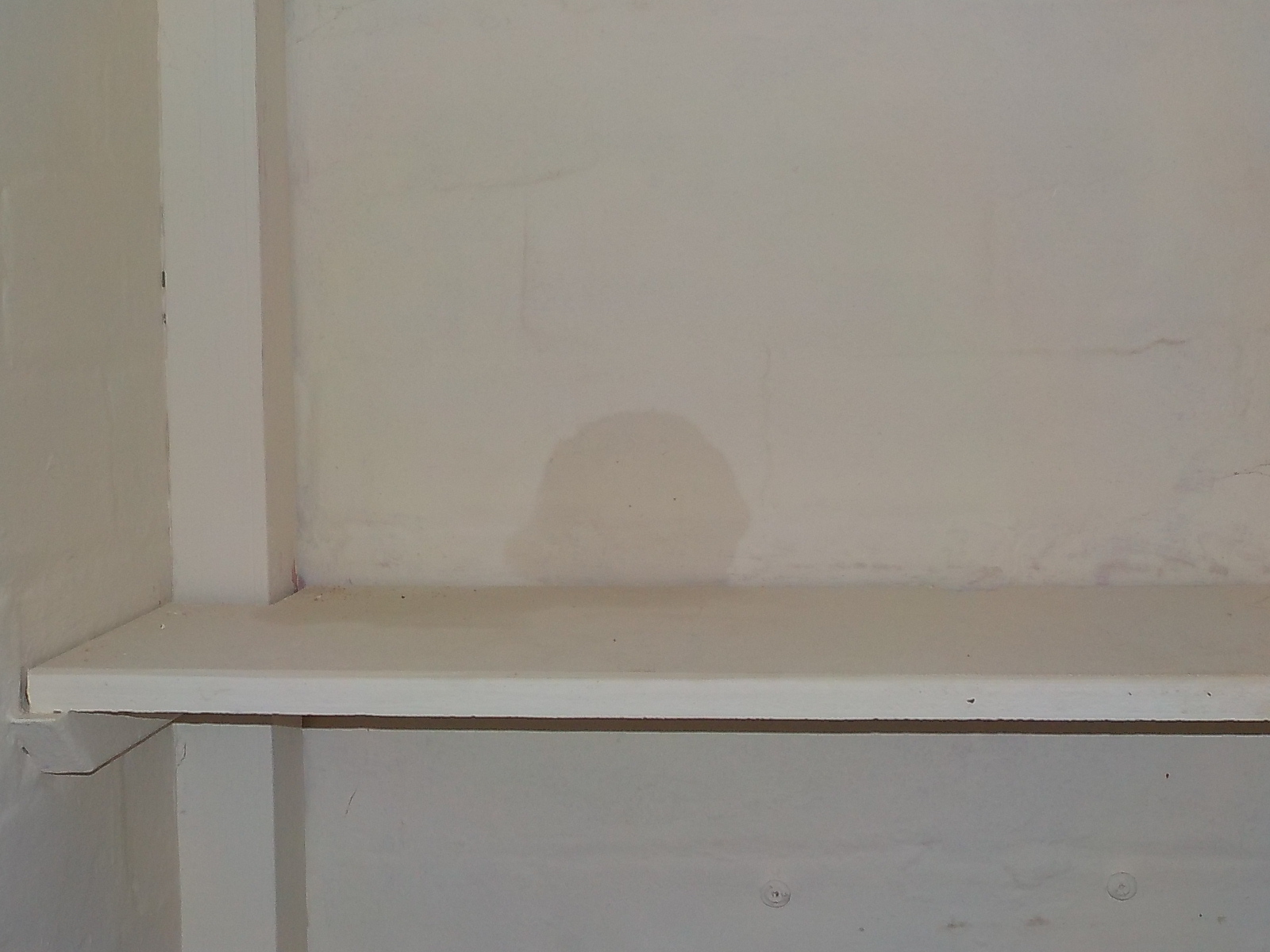
Internally, this duct has been plastered over, resulting in condensation forming at this cold spot. This increases the risk of mould growth and moisture damage and should be reinstated or suitably upgraded.
Unsafe External Electrical Cable
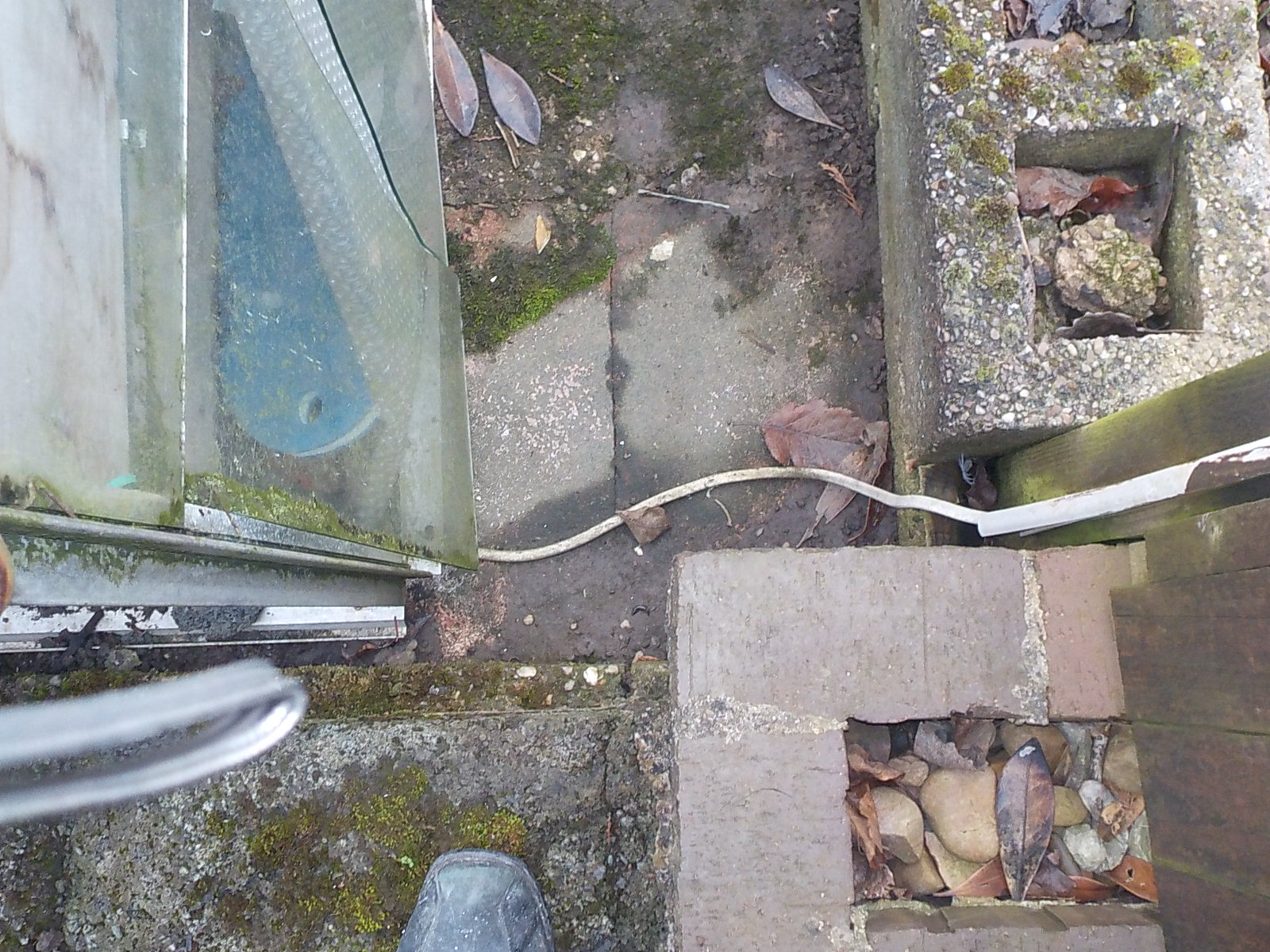
A 240-volt electrical cable was observed running across ground level without protection. This presents a serious safety risk, as it is vulnerable to damage from garden tools such as spades or forks. Immediate attention by a qualified electrician is recommended.
Lathe and Plaster Ceiling Defects
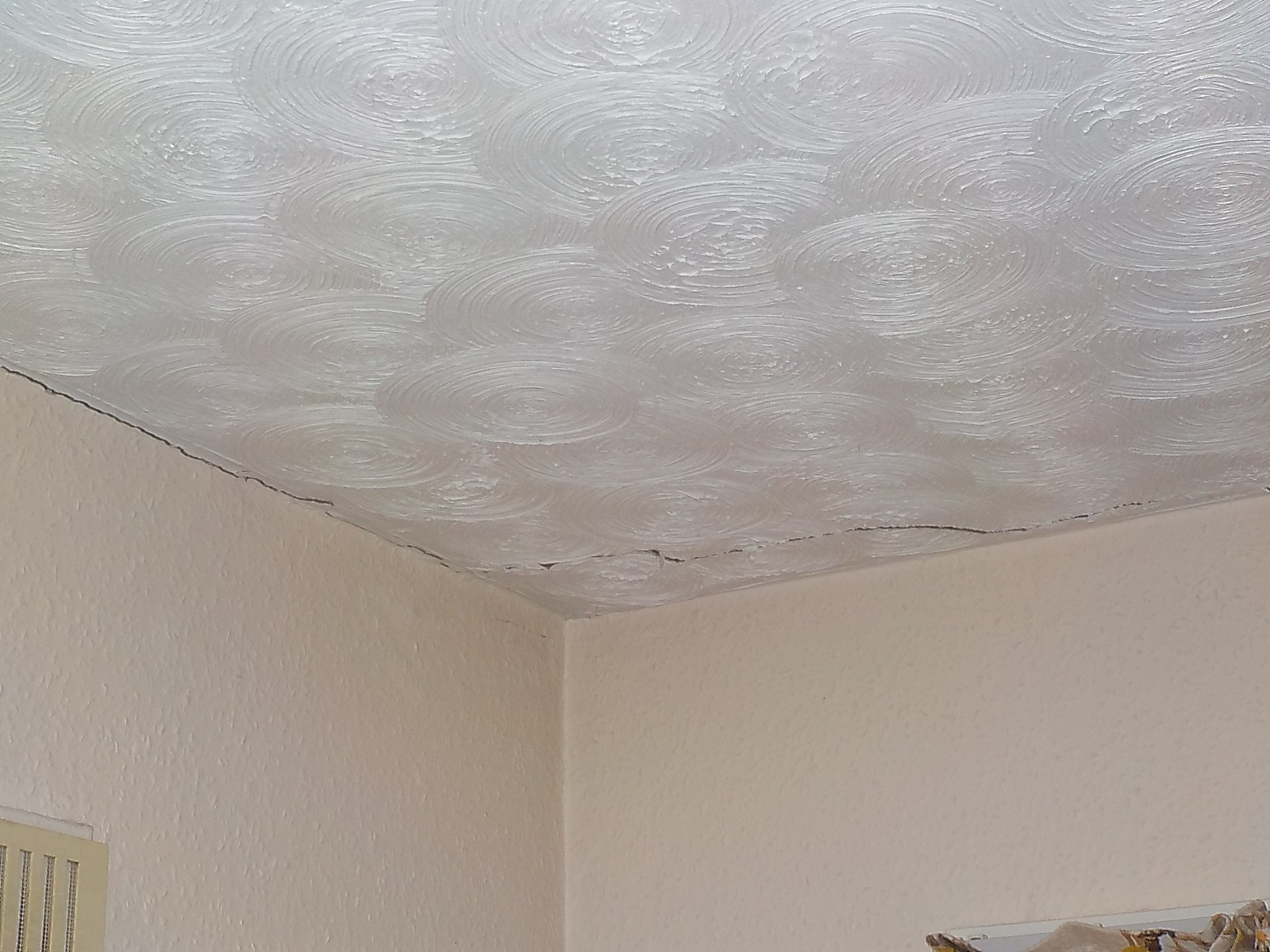
The ceiling is likely to be original lathe and plaster construction. Over time, vibration and thermal movement cause the brittle plaster to fracture where it keys through the lathes, resulting in characteristic cracking.
The textured ceiling finish may have been applied to conceal earlier cracking and surface undulations. Further assessment may be required if cracking worsens.
Unsafe Glazed Door
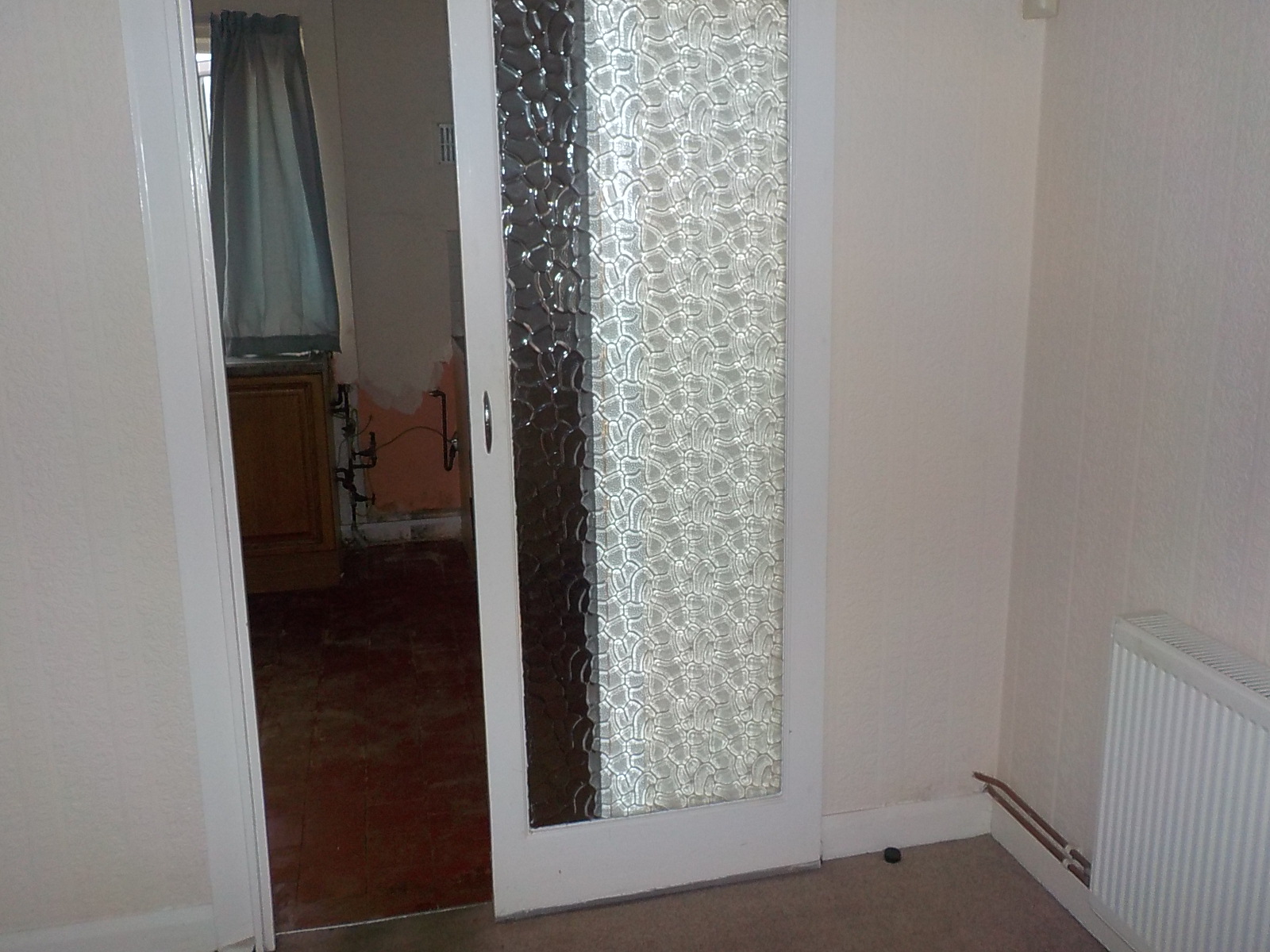
The glazed door does not contain toughened or safety glass. This poses a serious risk of injury if someone falls against it. Replacement with a compliant safety-glazed door is strongly recommended.
Poor Electrical Workmanship
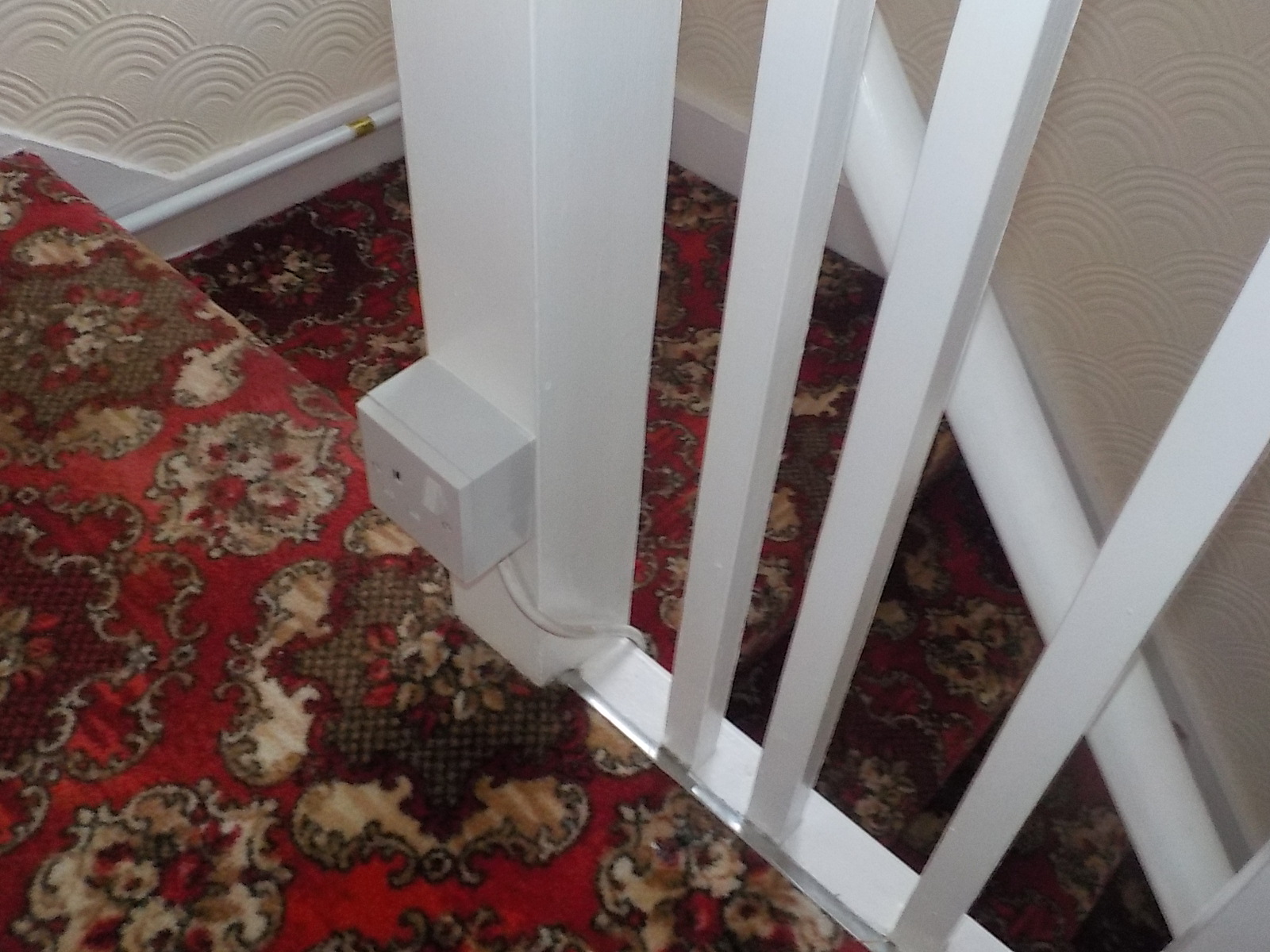
A surface-mounted cable feeding a low-level socket was observed. This is indicative of poor or amateur workmanship. Low sockets are vulnerable to impact from vacuum cleaners, increasing the risk of damage and exposure of live components.
Quarry Tile Floor and Damp Risk
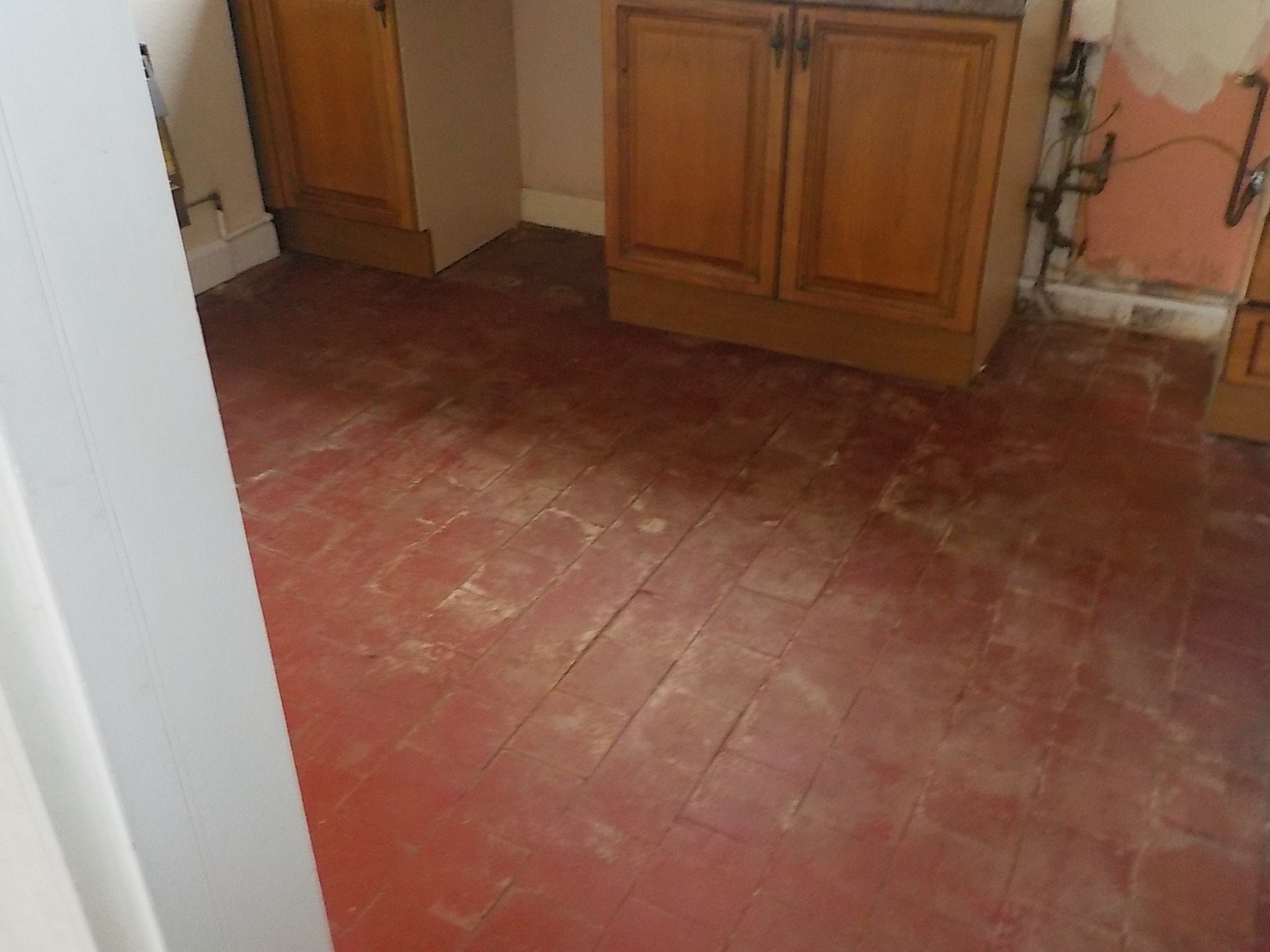
The property contains a typical quarry tile floor, often laid on ash or low-quality concrete bases. These floors commonly exhibit damp joints. They perform best when left uncovered and well ventilated, allowing moisture to evaporate naturally.
Roof Fire Safety and Lining Defects
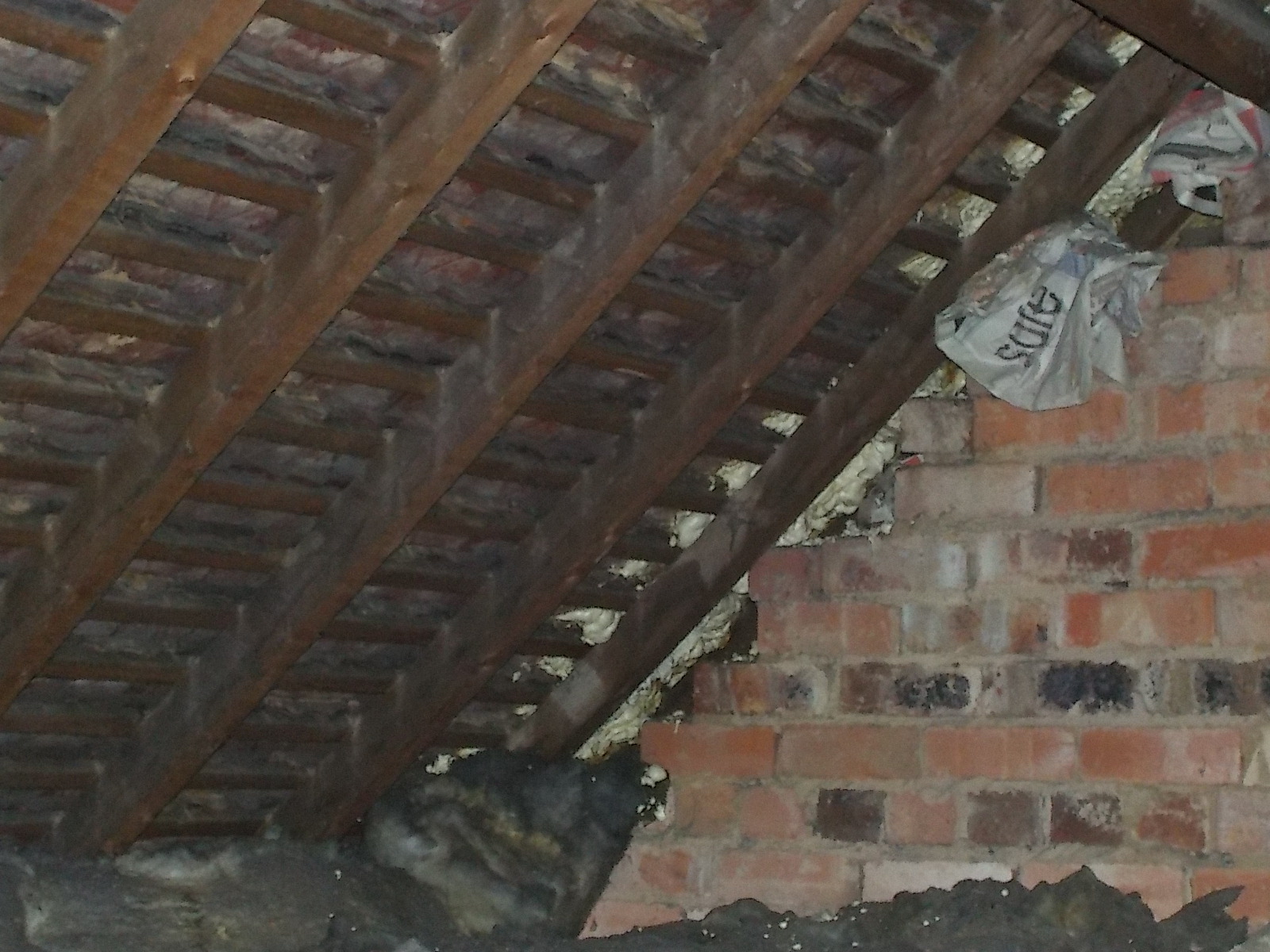
The top of the firewall is missing, which may allow the spread of fire and smoke between adjoining properties.
Additionally, the mortar pointing beneath the roof tiles has deteriorated. While not generally significant, this can allow tiles to be lifted during extreme weather conditions due to wind pressure. Modern roofs mitigate this risk through felt underlay.
The adjoining property has been fitted with spray foam roof insulation. The long-term effects of this system remain uncertain, with potential risks including:
Trapped moisture against rafters and battens
Increased condensation within the roof void
Summary
This HomeBuyer Survey highlights a range of typical defects found in 1930s Leicester semi-detached properties, including thermal movement cracking, damp-related deterioration, ventilation issues, and outdated safety standards.
While many issues are not immediately serious, early identification allows buyers to budget accurately, renegotiate price, and prioritise repairs.